Euro 7 for Trucks and Buses: What Parts Buyers Should Know
The EU's Euro 7 regulation brings brake and tyre particles into emissions law for the first time. The heavy-duty dates, the open questions and what it means for the aftermarket.
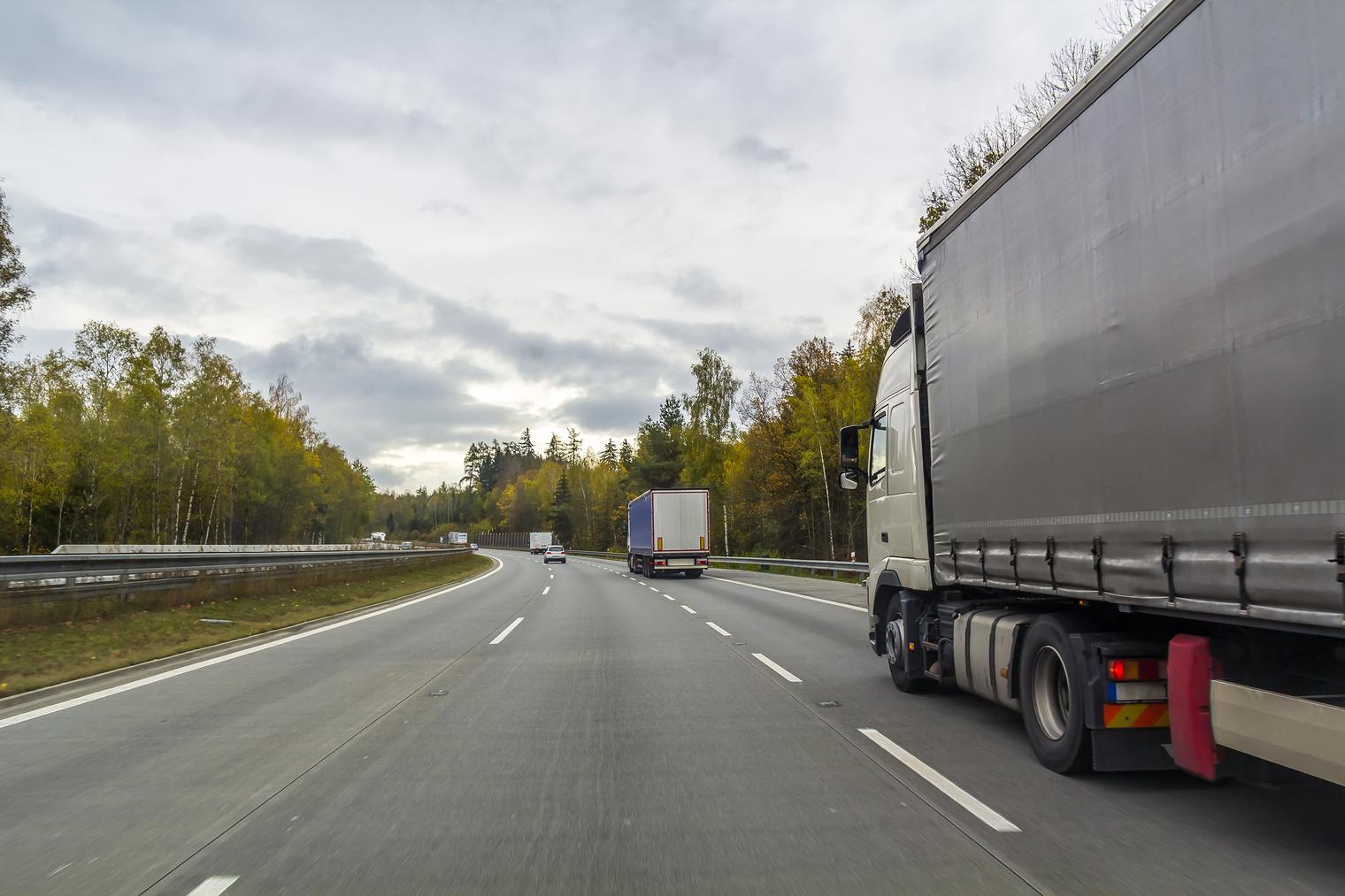
Euro 7 is the next European emissions standard for road vehicles. It was adopted in 2024 as Regulation (EU) 2024/1257 and, unlike earlier Euro steps, it looks beyond the exhaust pipe.
The dates for heavy-duty vehicles
According to the European Parliament’s summary of the regulation, the rules apply:
- from 29 May 2028 for new types of buses, lorries and trailers,
- from 29 May 2029 for all new vehicles in those categories.
Cars and vans come earlier. Small-volume manufacturers have a later deadline.
These dates are not uncontested. The European vehicle manufacturers’ association ACEA has called for the heavy-duty timetable to be pushed back and for the brake emission requirements for heavy vehicles to be postponed by several years, arguing that a validated measurement method for heavy-vehicle brake dust is not yet in place. Treat the dates above as the law as adopted, and follow official publications for changes.
What is new compared with Euro VI
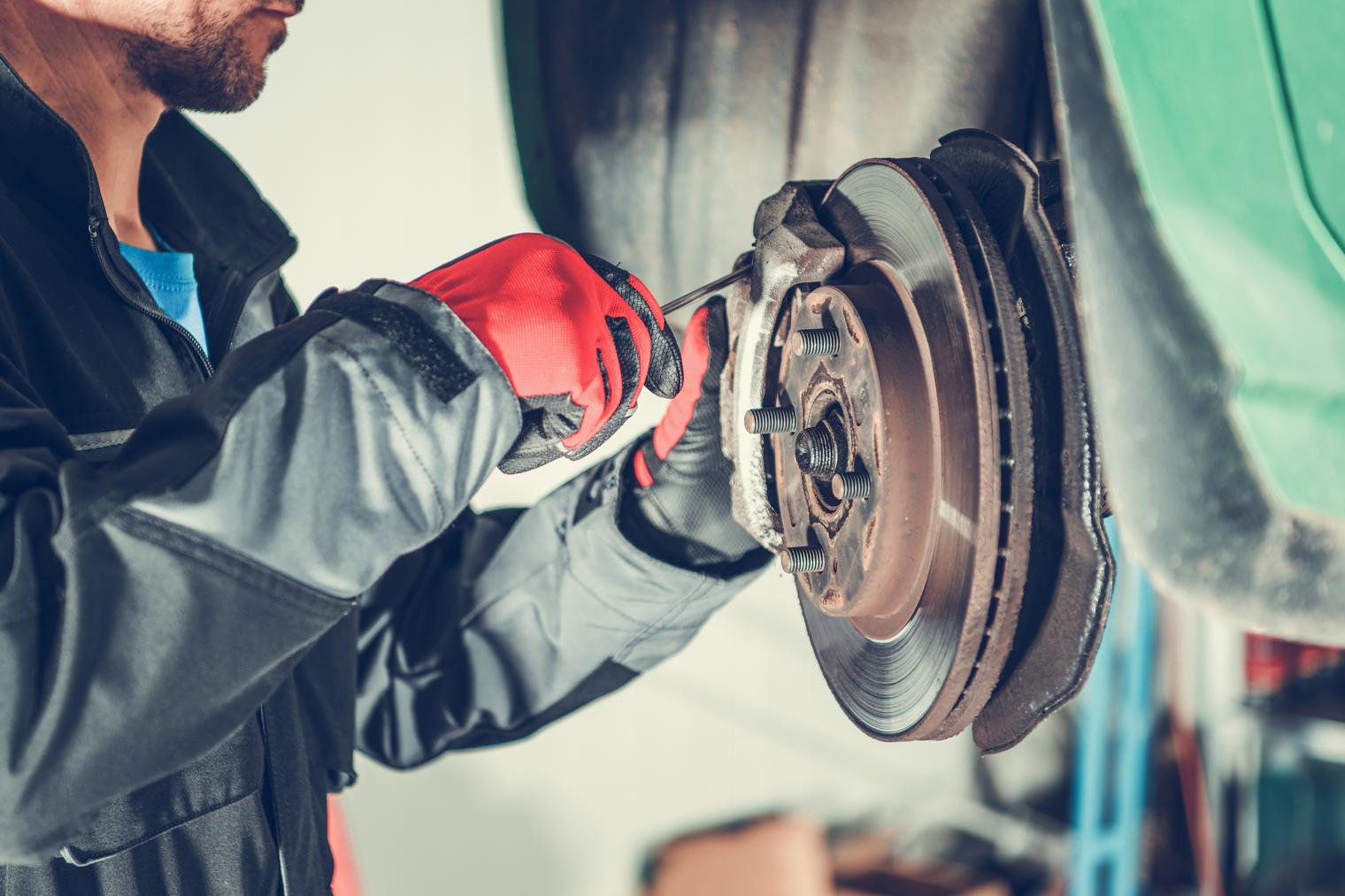
- Brake particles. For the first time, particle emissions from braking are regulated.
- Tyre abrasion. Limits on tyre wear particles are introduced.
- Durability. Vehicles must stay within limits for longer.
- Battery durability requirements for electric and hybrid vehicles.
What it means for the aftermarket
Brake parts will carry more data. Once limits and test methods for heavy vehicles are fixed, replacement pads, linings and discs for Euro 7 vehicles will need to show that they keep the vehicle compliant. Expect friction manufacturers to publish emissions-related information alongside approvals such as ECE R90.
Two parts populations will coexist for a long time. Trucks have long service lives. Parts for Euro V and Euro VI vehicles will remain the bulk of demand for many years after Euro 7 vehicles enter service.
Markets outside the EU move at their own pace. Many countries follow UN regulations or adopt Euro steps later. Importers should check the rules in their own market, not assume the EU timetable applies.
What buyers can do now
- Keep ordering by OE and WVA number. Identification does not change.
- Ask brake suppliers how they are preparing for brake emission testing.
- For new vehicle purchases from 2028 onward, ask the dealer which parts are emissions-relevant.
We will update this article when the heavy-duty requirements or dates change.
Quick answers
When does Euro 7 apply to trucks and buses?
Under Regulation (EU) 2024/1257, it applies from 29 May 2028 for new types of buses, lorries and trailers and from 29 May 2029 for all new vehicles in those categories. Industry bodies have asked for these dates to be postponed, so check the current status before planning.
Does Euro 7 affect vehicles already on the road?
The regulation sets type-approval requirements for new vehicles. It does not require existing vehicles to be modified.
Does Euro 7 cover brakes?
Yes. It is the first Euro standard that addresses particle emissions from brakes, as well as tyre abrasion. The measurement methods and limits for heavy vehicles are still being worked out.
Sources
Looking for a part?
Search by OE number or send your list for a quotation.